


Warehouse automation is reshaping supply chains by improving efficiency, lowering costs, and solving labor challenges. Explore benefits, challenges, and future solutions in this thought leadership article.
Warehouse automation is transforming supply chains worldwide. From robotics to advanced software, businesses are adopting smart warehouse technology to improve efficiency, reduce labor shortages, and gain a competitive edge. In this article, we’ll explore the benefits of warehouse automation, the challenges of warehouse automation, the role of warehouse robotics solutions, and the future of warehouse automation—with practical insights for companies considering digital transformation.
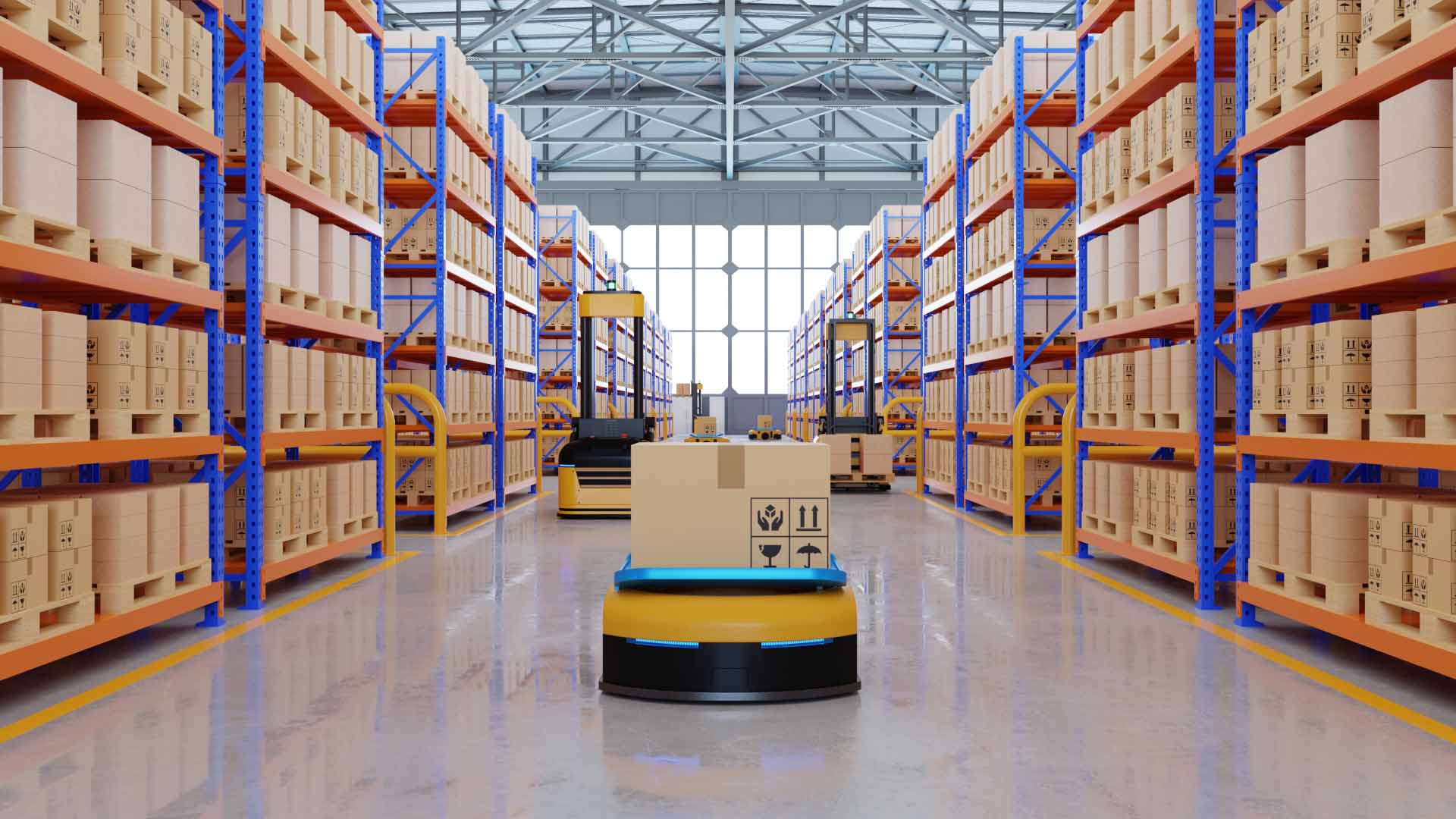
The advantages of automated warehouses extend far beyond speed. Automated systems streamline workflows, reduce human error, and improve inventory accuracy.
Higher efficiency: Smart systems work 24/7, reducing downtime.
Lower costs: Less reliance on manual labor reduces long-term expenses.
Improved accuracy: Robotics and AI-driven WMS minimize picking and inventory errors.
Better safety: Automation reduces accidents related to heavy lifting and repetitive tasks.
Research from McKinsey & Company, also highlights automation’s ability to cut costs while boosting service levels.
While the benefits are clear, the barriers to automation adoption can’t be ignored. Companies face:
High upfront investment: Robotics and WMS platforms require significant capital.
Integration complexity: Legacy systems often don’t align with modern digital tools.
Workforce adaptation: Employees may resist changes or need reskilling.
Scalability risks: Over-automation without strategy can lead to inefficiencies.
As a result, organizations need a phased implementation strategy, aligning technology with business goals. According to, Deloitte, leadership support and workforce training are essential for success.
Warehouse robotics solutions are at the heart of modern operations. Autonomous mobile robots (AMRs), automated guided vehicles (AGVs), and robotic picking systems are no longer futuristic—they’re here today.
Applications include:
Automated storage and retrieval systems (AS/RS) for fast and accurate handling.
Robotic picking and packing for e-commerce fulfillment.
Material handling automation with conveyors and sortation systems.
At Liftians, our our robotics support—not replace—human labor, enabling safer, more efficient workflows. On the other hand, Robotics Business Review offers industry-wide case studies showing robotics adoption at scale.
The future of warehouse robotics is being shaped by AI, machine learning, and predictive analytics. For example, we’re seeing the rise of:
Smart warehouses that self-optimize with real-time data.
AI-powered WMS that anticipate demand and adapt operations.
Sustainability-focused automation, reducing waste and energy use.
Collaborative robotics (cobots) that work alongside humans.
Looking ahead, Gartner, predicts that automation will shift from a competitive advantage to a necessity. Therefore, early adopters will be best positioned for resilience and long-term growth.
Smart warehouse technology isn’t just about robots—it’s about creating safer and more resilient supply chains. The advantages of warehouse automation are undeniable, but the challenges of warehouse automation require careful planning. By adopting the right robotics solutions and preparing for the future of warehouse automation, businesses can position themselves as leaders in tomorrow’s logistics landscape.
Warehouse automation is shaping the future of supply chains. From robotics to AI, discover the benefits, challenges, and solutions redefining efficiency.

Liftians focuses on system-first automation — our AMRs adapt to your existing warehouse layout instead of forcing costly infrastructure changes. This means faster ROI, minimal disruption, and solutions customized to your operation’s exact needs.
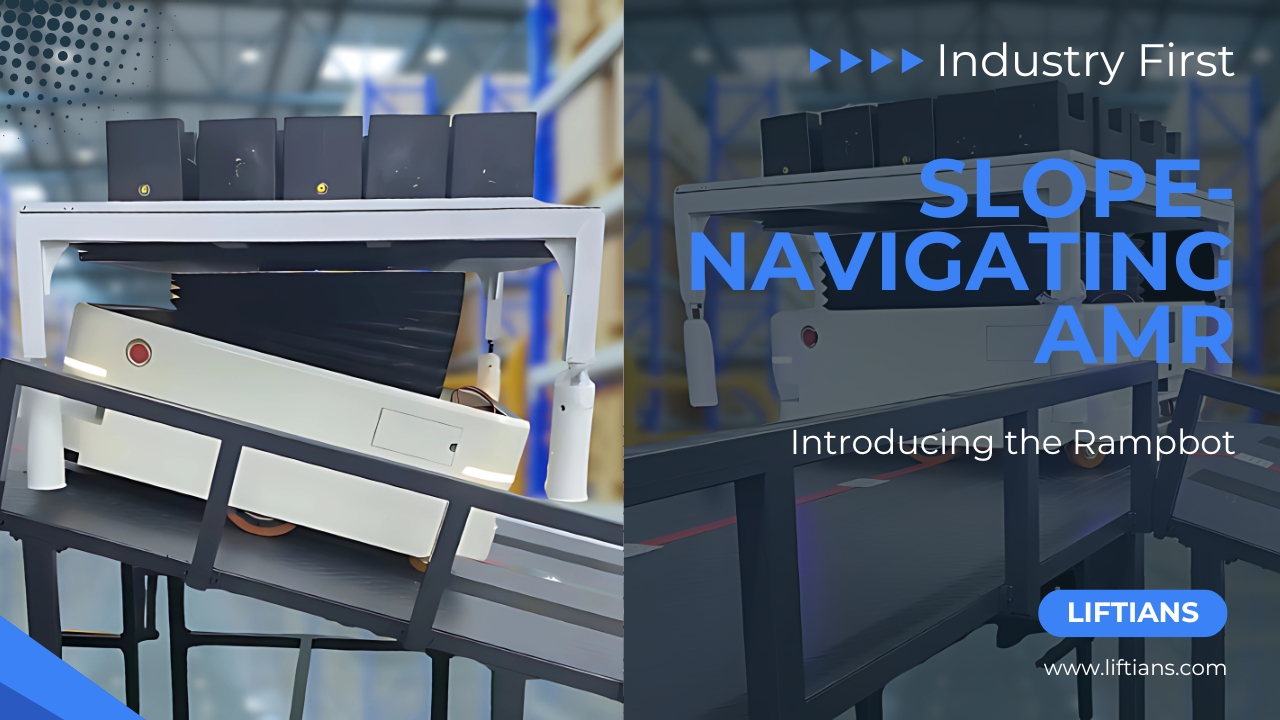
Yes. Our RampBot is designed to safely transport pallets and shelving units on inclines up to 15° while maintaining stability and load control. This is especially valuable for facilities with outdoor loading docks or uneven terrain where traditional AMRs struggle.
We work with 3PLs, retailers, manufacturers, and healthcare distributors across North America. Whether you move cases, pallets, or mixed-SKU totes, Liftians customizes its robots and software for your workflow.
We provide a no-cost consultation to review your current workflows, labor challenges, and facility layout. You’ll receive a high-level automation fit report outlining where AMRs can save costs, increase throughput, and shorten cycle times.
Most clients see ROI in 6–12 months, with pick rates improving 3–5x and labor costs reduced by 40–70%. Because our AMRs adapt to your existing layout, you avoid expensive reconstruction delays that slow down ROI with other systems.
Our AMRs use QR-code navigation, AI-driven routing, obstacle avoidance, and smart charging. The software suite includes BotService, AdminTool, Station UI, and MapMonitor — giving operators live visibility into performance, inventory, and WIP.
No. Liftians does not charge when you add more robots or platforms. Costs only apply for major layout changes, site visits, or third-party integrations unrelated to our system (e.g., changing Wi-Fi providers).
We provide uptime guarantees and SLAs that match or exceed industry standards. Resolution times are tailored per deployment but are always defined clearly before project launch to give you predictable performance.
We actively partner with consultants who have direct connections to distribution centers, retailers, or manufacturers. Consultants gain access to our engineering team, demo content, and pilot programs to help bring automation opportunities to their clients.